



They are invisible, but everywhere: microplastics. You find them in the ocean, in our drinking water, in the air – and even in your wardrobe. What many people don’t know is that a large part of the microplastics in the environment comes from washing clothes.
In this blog, we explain exactly how that works, why it is a problem, and what you can do to reduce your impact – without compromising freshness or care.
What are microplastics?
Microplastics are small plastic particles, usually smaller than 5 millimeters. They are formed when larger pieces of plastic break down, or are directly produced as small beads (such as in scrubs or care products). In clothing, microplastics often come from synthetic fibers like polyester, nylon, and acrylic.
When you wash synthetic clothing, microfibers are released that enter rivers and oceans through wastewater. One wash of a fleece sweater can release up to 250,000 microfibers. And those fibers? They don’t go away.
Why are microplastics a problem?
-
They are not biodegradable – which means they remain in the environment for years.
-
Animals in the sea (and eventually humans) ingest them through food and water.
-
They are linked to health risks, such as inflammation, hormone disruption, and immune system disturbances.
-
They burden the entire ecosystem – from plankton to humans.
And the bitter truth is: a large part of this pollution happens without us noticing – simply during the washing of our clothes.
How can you reduce it?
Fortunately, as a consumer, you can make a difference. Here are a few practical steps:
1. Wash less often
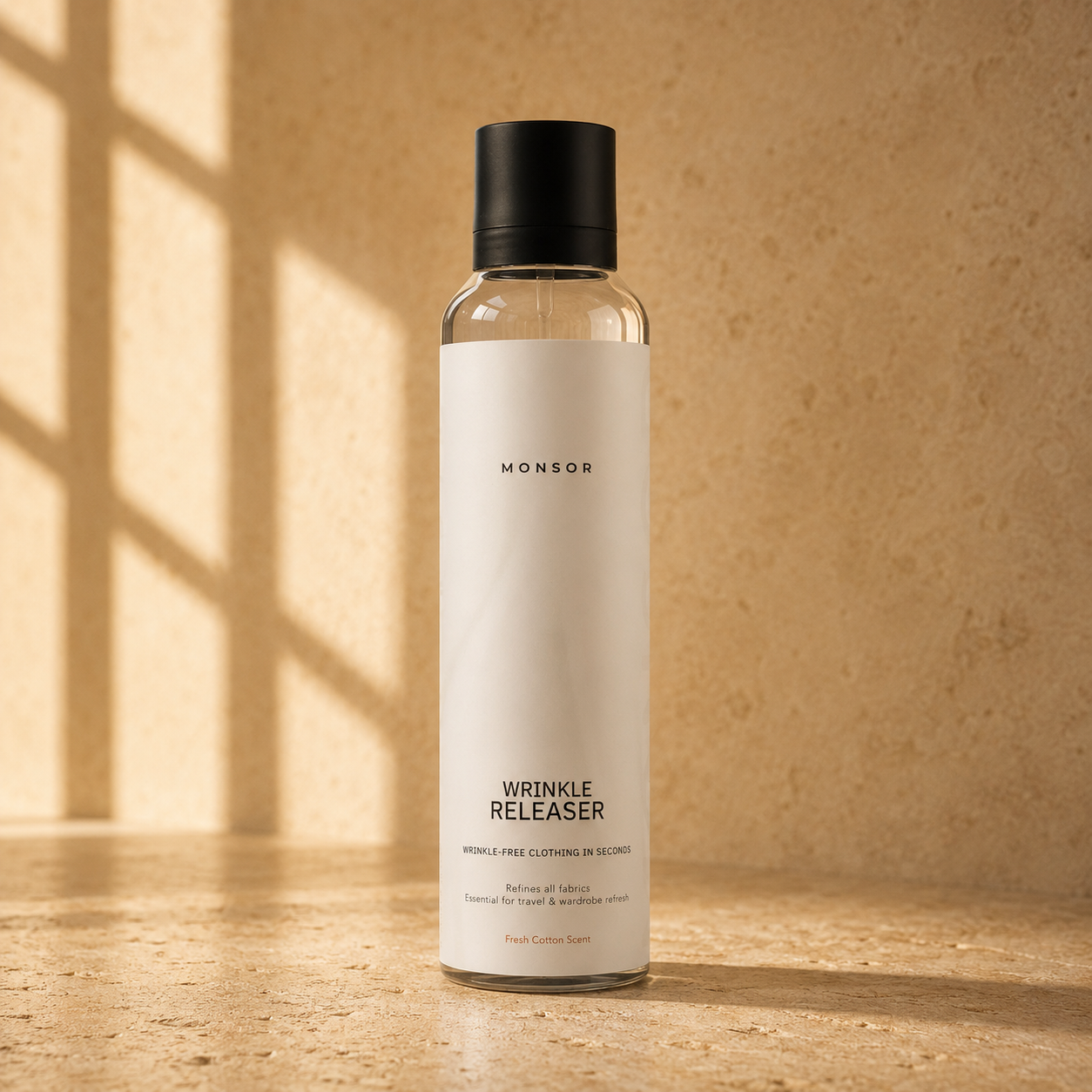
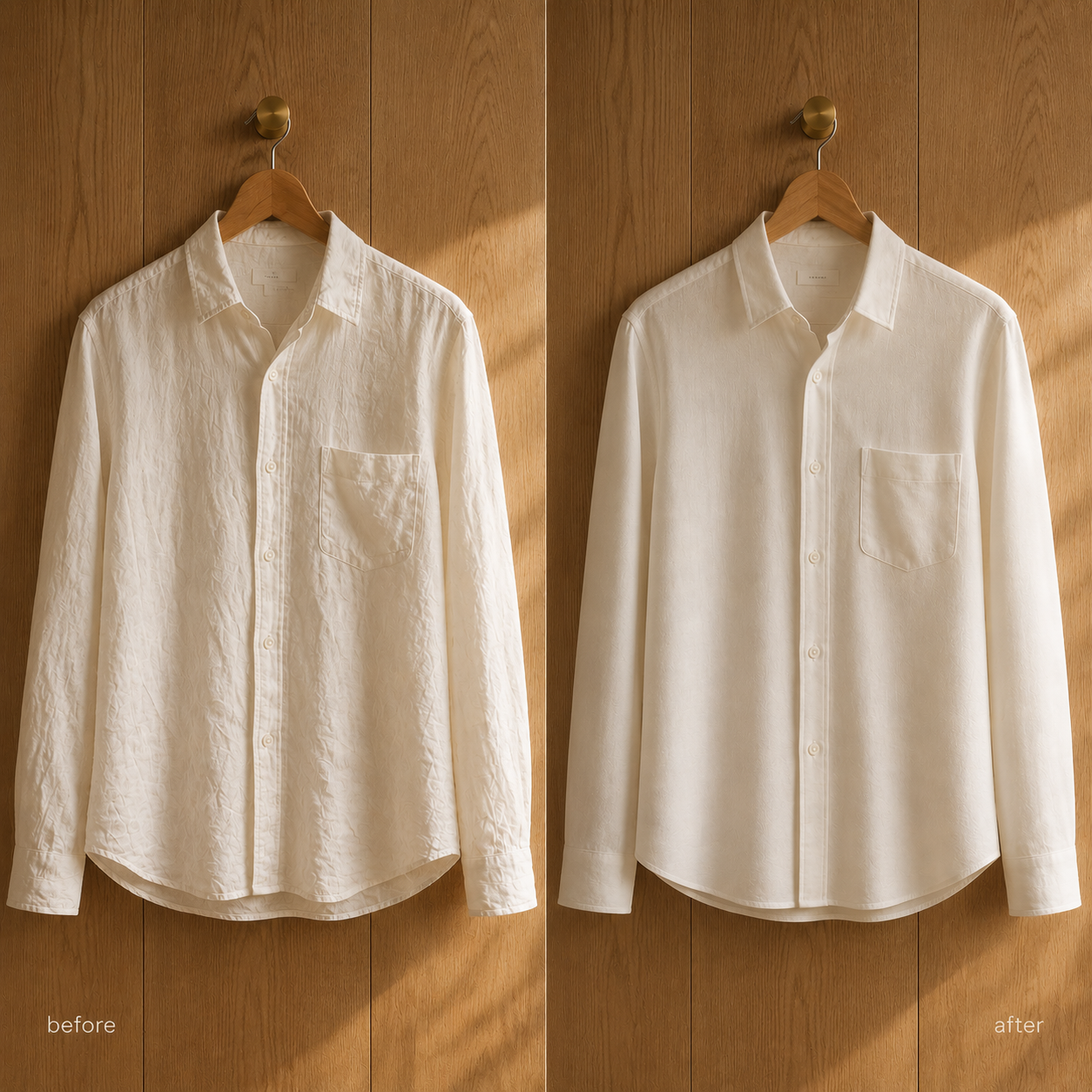
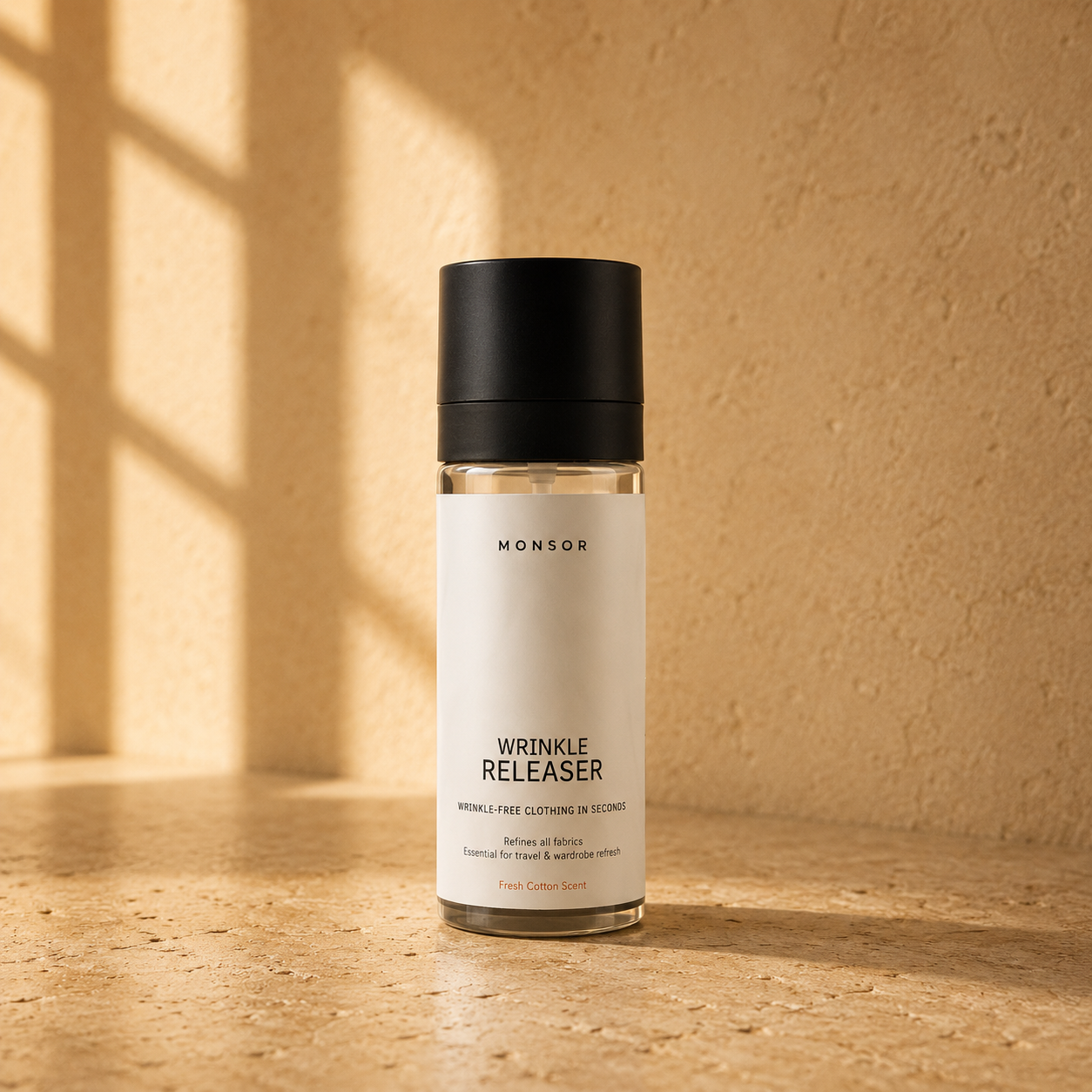
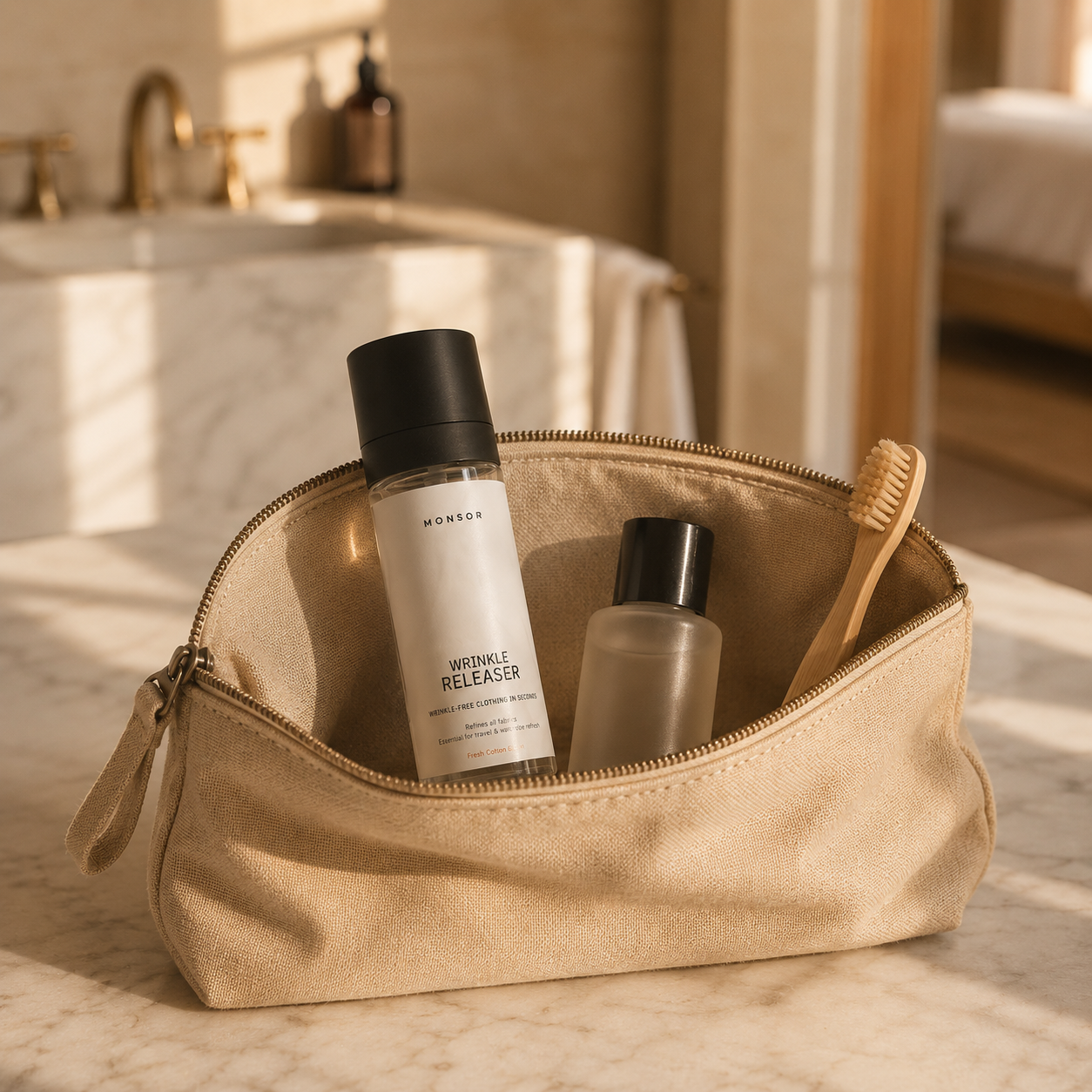
Every wash causes wear and fiber loss. If your clothes are not visibly dirty, you can often wear them again. For example, use a fabric refresher like the Monsor Apparel Launder spray to keep clothes fresh between washes – without water or a machine.
2. Choose natural fabrics
Cotton, linen, wool, and lyocell do not release microplastics. By choosing natural materials, you directly reduce your impact. Note: even “sustainable” synthetic fabrics can contain microplastics if they are based on plastic.
3. Use a laundry bag or filter
Special laundry bags like the Guppyfriend catch a large part of the microfibers before they enter the water. There are also washing machine filters that filter microplastics from wastewater.
4. Air dry
Microfibers can also be released in the dryer. By airing clothes or drying them on a rack, you avoid extra wear and microplastic emissions.
Monsor: microplastic-free, from formula to bottle
At Monsor, we take this problem seriously. That is why our Apparel Launder spray is 100% free of microplastics – both in the ingredients and the packaging. No artificial polymers, no synthetic fragrances, no hidden plastics.
We believe that fresh clothes don’t have to cause harm to the environment. And that starts with transparent, clean formulas.
Small habits, big impact
The fight against microplastics starts with awareness – and simple choices. Like what you buy, how you wash, and which products you use in your daily routine. By washing less and caring more often, you not only take care of your clothes but also the world around you.
Your clothes. Your routine. Your impact.